AI Side Hustles Half-true — works only if you do the unspoken work
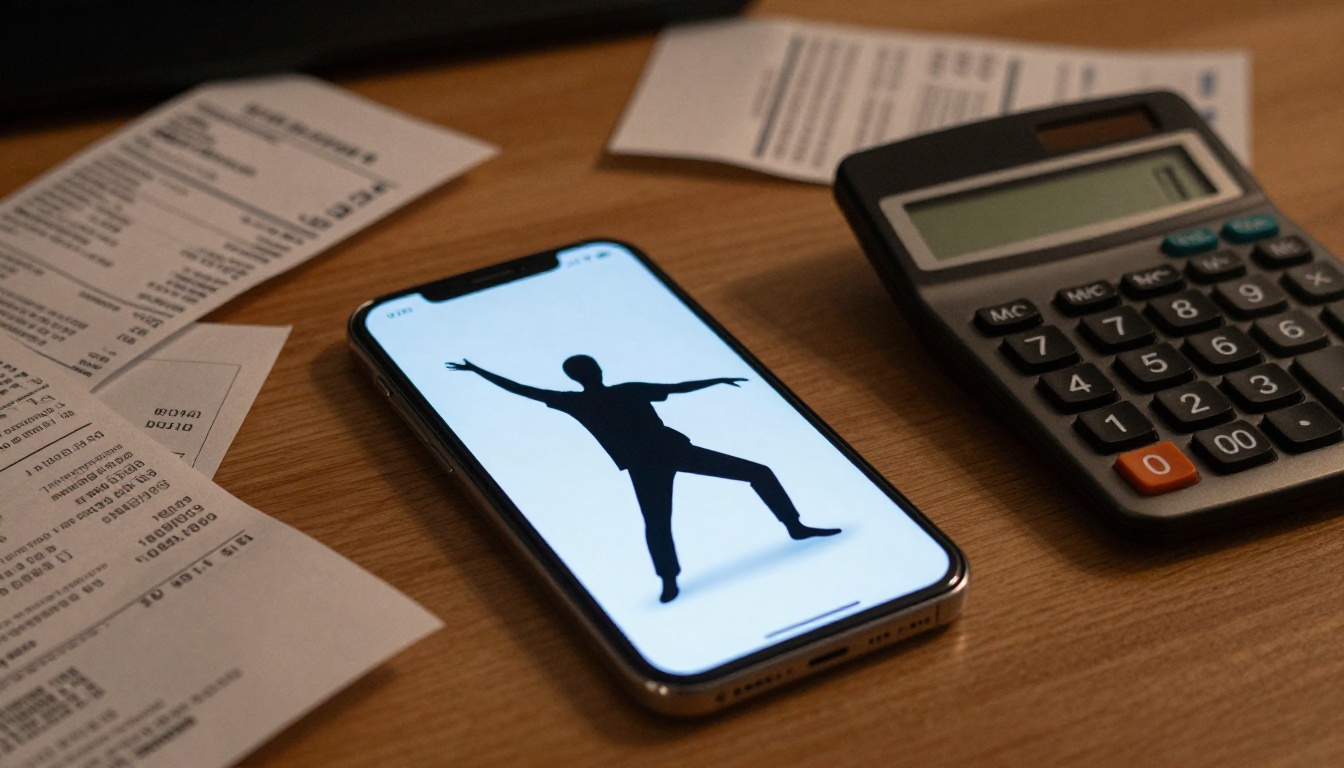
The AI influencer side hustle: a real build, an Amazon affiliate payday the video barely does the math on
Verdict: Half-true — works only if you do the unspoken work. The AI character takes ten minutes; the income depends on commission rates, platform rules, and a distribution grind the video treats as a footnote.
Wealth Wisdom’s video “The Only AI Influencer Side Hustle That Actually Pays! (Copy This)” has pulled in 53,183 views by walking viewers through building a fake human — a grumpy, bald, tiny-legged old man in a suit — and turning him into an Amazon affiliate salesman. To the channel’s credit, the host says up front: “it’s not instant money.” That honesty is rare. But the part of the pitch that actually determines whether you earn anything — the commissions, the rules, the sheer volume of sales required — gets about thirty seconds. This article is about those thirty seconds.
What the video actually claims
The method has two halves. First, you build an AI influencer using Higgsfield AI. The host picks body type, hair, age, and “proportions” from menus, generates a character, then animates him by uploading or recreating existing clips — a feature Higgsfield calls Genjutsu, which maps a source video’s motion onto your character. No long prompts, no reshoots. The pitch here is genuinely accurate: the production step that used to take skill now takes a few clicks.
The second half is the money. The host’s monetization method is affiliate marketing, specifically the Amazon Associates program. You pick a niche (he chose fitness), make your character use a product on camera, find that exact product on Amazon with Google Lens, grab your unique affiliate link, and route viewers to it through a Linktree “link in bio” page. The caption trick: instead of “link in bio,” you write “comment fitness and I’ll send you the link,” then DM the link to everyone who comments. The host calls this a comment trigger and frames those commenters as warm, buyer-intent leads.
He stacks three income streams on top: affiliate commissions first, then sponsored posts once views grow, then a $9 digital guide teaching people the same system. “This trend is still early,” he says, “and the people who start now are the ones who will benefit the most.”
What the method actually requires
Here’s the number the video never says out loud: how much Amazon actually pays you per sale. Amazon Associates commissions are small and tiered by category. Physical fitness and sports equipment — the host’s own niche — sits at roughly 3%, and most everyday product categories fall between 1% and 4.5%, according to Shopify’s breakdown of the Amazon affiliate program. A $150 wall-mounted workout station at 3% pays you about $4.50. To clear $1,000 in a month from that one product, you need roughly 220 completed purchases — not clicks, not comments, purchases.
That gap between attention and purchases is the whole story. Affiliate marketing, as Investopedia defines it, only pays when a tracked sale closes. Amazon’s tracking cookie lasts 24 hours. So a viewer has to see the funny video, comment the keyword, wait for your DM, click the Linktree, click through to Amazon, and buy — all within a day — for you to earn a few dollars. Every drop-off in that chain is, in the host’s own phrasing, “money you just lost.”
There’s also a rule that quietly disqualifies a lot of beginners. New Amazon Associates must generate at least three qualifying sales within their first 180 days or Amazon closes the account. A million views on a dancing-old-man clip means nothing if three strangers don’t actually check out. And the tooling isn’t free past the trial: Higgsfield’s paid plans run $19/month (Starter), $59/month (Plus), and $129/month (Ultra), because those free generations the host switched on don’t refill forever.
Then there’s the law, which the video ignores entirely. Affiliate commissions are a “material connection” under the FTC’s Endorsement Guides, and the FTC’s influencer disclosure guidance is explicit that the disclosure must sit with the endorsement — in the video or caption, “hard to miss” — not buried in a bio or a separate Linktree page. A “comment fitness and I’ll DM you the link” funnel that never says “#ad” is exactly the setup regulators have warned about. (This is a U.S. rule; U.K. creators face the same expectation from the ASA, and Australia from the ACCC.) Amazon’s own operating agreement separately requires the phrase “As an Amazon Associate I earn from qualifying purchases” to appear clearly wherever you post links.
| Cost / rule the video skips | Reality |
|---|---|
| Amazon commission on fitness gear | ~3% (≈$4.50 on a $150 item) |
| Sales needed for $1,000/mo at that rate | ~220 completed purchases |
| Amazon cookie window | 24 hours |
| Account survival rule | 3 qualifying sales in 180 days |
| Higgsfield paid plans | $19 / $59 / $129 per month |
| FTC disclosure | Required in the post itself, every time |
Who actually wins this game?
The people who make this work are rarely beginners copying a template. They’re operators who already understand distribution — how to seed a clip so it travels, how to A/B test hooks, how to run the same asset across Instagram, TikTok, YouTube Shorts, and Pinterest without burning out. The host actually names this (“content distribution”) and tells you to post three times a week across four platforms. That’s the real job. The AI character is a costume; the work is being a social media marketer.
Early movers win too, and the host is honest that novelty is the edge — “where attention goes, money flows,” and the grumpy-old-man pattern interrupt works precisely because feeds aren’t yet saturated with it. As NerdWallet notes about affiliate marketing generally, earnings concentrate among creators who build consistent, trusted traffic over time. The novelty window the video is selling is the same window that closes the moment the tactic goes mainstream — which a 53,000-view tutorial actively accelerates.
What you’d realistically earn
The video never names a monthly figure, which is more responsible than most. But let’s put a range on it. A beginner posting consistently for the first few months, with a few thousand views per clip and no established trust, realistically earns $0 to maybe $50 a month from affiliate commissions — and may fail the three-sale rule entirely and lose the account. A creator who genuinely cracks distribution, lands a repeatable format, and builds a following over six to twelve months might reach a few hundred dollars a month in commissions, with sponsored deals as the bigger (and more realistic) prize once the audience exists.
Sponsorships, not Amazon’s 3%, are where AI-influencer accounts that “pay” actually make money. That’s the quiet truth inside the pitch. Affiliate links are the on-ramp; brand deals are the destination — and brand deals require an audience you don’t have on day one.
Who this is (and isn’t) for
This makes sense if you’ve got five-plus hours a week, enjoy the craft of short-form video, can stomach months of near-zero income, and treat the $19–$59 monthly tool cost as a marketing budget rather than a lottery ticket. It is not for someone expecting the character to sell on its own, anyone who can’t commit to the three-posts-a-week-across-four-platforms grind, or anyone uncomfortable labeling affiliate content as advertising — because skipping that label isn’t a shortcut, it’s a liability.
What to remember
The build is real and genuinely easy now. The money is real but small per sale, slow to arrive, bound by Amazon’s rules and the FTC’s, and entirely dependent on the distribution work the video compresses into one upbeat paragraph. “Copy this” gets you a character. Earning from it is a marketing job, and you should price your time accordingly. For more on where AI content businesses actually generate revenue, see our looks at how AI can run a content business and proven ways to make money with AI without experience.
Sources
- FTC. “Disclosures 101 for Social Media Influencers.” 2023. https://www.ftc.gov/business-guidance/resources/disclosures-101-social-media-influencers
- Shopify. “Amazon Affiliate Marketing: How to Get Started.” 2026. https://www.shopify.com/blog/amazon-affiliate-marketing
- Investopedia. “Affiliate Marketing: What It Is and How to Get Started.” 2026. https://www.investopedia.com/terms/a/affiliate-marketing.asp
- NerdWallet. “What Is Affiliate Marketing and How Do You Get Started?” 2026. https://www.nerdwallet.com/article/small-business/affiliate-marketing
- Video: The Only AI Influencer Side Hustle That Actually Pays! (Copy This)
- Channel: Wealth Wisdom
- Views at review: 53,183
- Watch on YouTube: https://youtube.com/watch?v=ketIzKnJoI4
- Views and other figures may have changed since this review was published.