YouTube Monetization Mostly accurate, with one big caveat
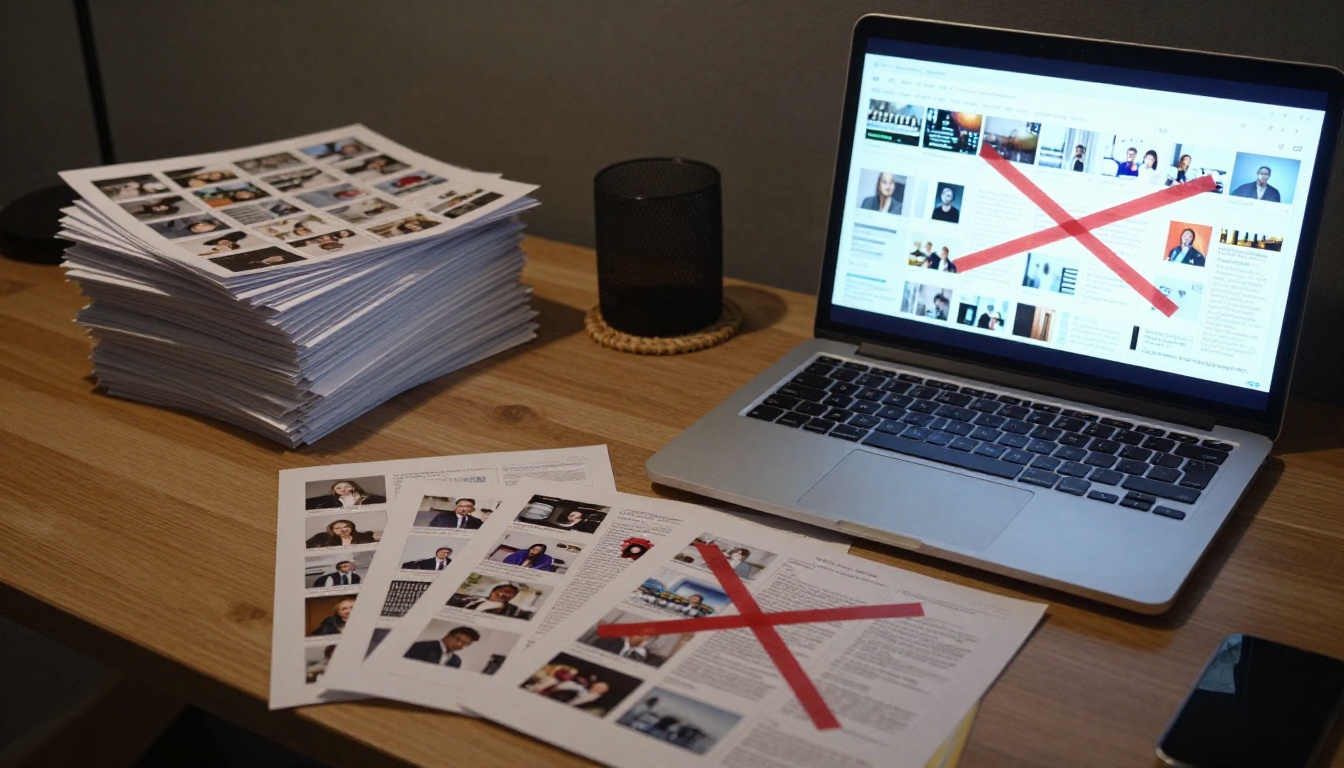
YouTube’s ‘inauthentic content’ rule: what Adam Del Duca’s ban warning gets right
Verdict: Mostly accurate, with one big caveat. The policy is real and the risk categories are described correctly, but YouTube is grading how you make videos — not which topics you pick.
Adam Del Duca’s video “WARNING: YouTube Is Banning These Faceless Niches In August” tells its 54,876 viewers that thousands of channels are being wiped out by a fresh policy update, and that three specific “groups” are in the blast radius. He’s mostly right about the policy. Where he drifts is the word “niches” — and the tool he says lets him see the ban wave coming. Is YouTube really banning niches? No. It’s banning a way of making content, and that distinction changes what you should do about it.
What the video actually claims
Del Duca opens with the scary version: YouTube is “banning thousands of channels today,” and yours “could be next.” Then he walks it back to something more honest. This isn’t a new policy, he says — it’s YouTube rewriting the language of its existing rules so creators understand why channels get flagged. That’s accurate. On July 15, 2025, YouTube renamed its long-standing “repetitious content” policy to “inauthentic content” and spelled out what disqualifies a channel from ad revenue.
He then lists three risk categories. One: generic or repetitive content — image slideshows with no real narration, the same character in the same situation on loop, AI-generated videos that “give the impression of mass production with zero original insight.” Two: emotionally manipulative or shock-bait content, like fake AI footage implying a celebrity died. Three: AI avatars posing as human experts in health, legal, finance, or politics — an “AI financial advisor” handing out investment tips, for instance.
Here’s the pitch underneath the warning. Del Duca says he gets ahead of these demonetization waves using a tool called TubeBuddy, specifically a “monetization tracker” that supposedly lets him filter for recently demonetized channels — by language, by “faceless,” by “general authenticity” — so he can spot dying niches before the news breaks. The whole thing routes to his free YouTube training in the description.
What the policy actually says
The three categories aren’t invented. They map closely to YouTube’s own language. YouTube’s channel monetization policies now require content to be “original and authentic,” and they explicitly call out “image slideshows, templated storylines, or scrolling text with minimal or no narrative,” plus “AI-generated content made with generic or unoriginal templates giving the impression of mass production without adding the creator’s original, authentic insights.” Del Duca is paraphrasing the actual help page, not making it up.
The scale is real too. Since the July update, YouTube has permanently terminated channels with billions of combined views under the inauthentic content banner — including a batch of AI-slop channels that together held tens of millions of subscribers. So the threat he’s describing exists.
But notice what YouTube penalizes: the method. Templating. Mass production. Zero human contribution. The policy says nothing about “finance” or “history” or “true crime” being off-limits. That’s the caveat the title buries. A finance channel with a real script, a real point of view, and a human (or clearly-labeled AI) voice adding genuine analysis is fine. A finance channel that pipes a scraped article through a text-to-speech engine over stock footage is not — and it was never eligible, even before July. Del Duca actually says this out loud mid-video (“YouTube isn’t grading your tools, it’s grading whether there’s an actual person behind the channel”), which makes the “banning niches” headline a marketing choice, not a description of the rule.
Then there’s the tool. TubeBuddy is a legitimate browser extension, and it does sell a demonetization-audit feature — but that feature scans your own video’s keywords and metadata for advertiser-unfriendly terms before you publish. It is not a public radar of “recently demonetized channels” you can sort by “faceless” and language. YouTube doesn’t publish which specific channels lost monetization, so no third-party tool can hand you that list. The on-screen workflow in the video — “monetization tracker,” “filter for unmonetized,” “sort by faceless” — doesn’t match TubeBuddy’s documented feature set. Treat that segment as the least verifiable part of the video.
Who actually gets hit by this
The channels being terminated share a profile, and it isn’t a topic. It’s an assembly line. One person (or a cheap freelancer team) running a single template across dozens of near-identical uploads: same AI voice, same stock-footage rhythm, same hook, swapped thumbnail. Reused content — commentary, reactions, clips with genuine transformation — is explicitly untouched by this update. So is AI as a production tool.
Who survives? Faceless channels that add something a template can’t: an original script with a real argument, curation and fact-checking, distinctive editing, a consistent voice with an actual opinion. The people losing money are the ones who treated “faceless AI channel” as a print-money button. The people keeping it are the ones who treated AI as one tool inside a process they actually direct.
What you’d realistically earn — and what it takes to qualify
Before any of this matters, you have to be monetized in the first place, and that bar hasn’t moved. YouTube’s Partner Program eligibility still requires 1,000 subscribers plus 4,000 valid public watch hours in the last 365 days (or 10 million public Shorts views in 90 days) to earn ad revenue. There’s a lower entry tier at 500 subscribers, three public uploads, and 3,000 watch hours for fan features like memberships and Super Thanks — but not ad revenue.
Getting to 4,000 watch hours with genuinely original faceless content is months of work for most people, not weeks. And the video’s implicit promise — that avoiding “banned niches” is the hard part — inverts the real difficulty. Passing the originality bar is table stakes. Building enough watch time and search rank to actually earn is the mountain. A brand-new channel that clears monetization typically sees its first payouts in the low tens to low hundreds of dollars a month, scaling only with a real content library and audience. The policy update doesn’t change that math. It just removes the shortcut that let some people skip the work entirely.
Who this is (and isn’t) for
If you have 5–10 hours a week, a topic you can speak on with some authority or genuine research, and the patience to build over a year, the current environment is arguably better for you — less templated competition, as Del Duca correctly notes. If your plan was to spin up a fully automated AI channel and never touch it, this update is aimed squarely at you, and no niche-picking trick fixes that. The free training in the description may or may not be useful; just know its job is to move you into a funnel. When any “make money online” program makes earnings claims, U.S. regulators expect written substantiation — the FTC’s 2025 proposed Earnings Claim Rule would require sellers of money-making opportunities to back up income representations on request. Ask for it.
For a fuller picture of how automated YouTube income actually pencils out, see our reviews of the “$77,000/month with Claude Code” YouTube pitch and the “$33,308 from one YouTube channel” claim.
What to remember
The policy is real, the three categories are described accurately, and the underlying advice — add a human point of view, don’t run a template farm — is sound. The distortion is in the packaging. YouTube isn’t banning faceless niches; it’s declining to pay for content nobody actually made. Pick your topic freely. Just make sure there’s a person behind it.
Sources
- YouTube Help. “YouTube channel monetization policies.” 2025. https://support.google.com/youtube/answer/1311392?hl=en
- YouTube Help. “YouTube Partner Program overview & eligibility.” 2026. https://support.google.com/youtube/answer/72857
- FTC. “FTC Proposes Rule Changes and New Rule to Deter Deceptive Earnings Claims by Multilevel Marketers and Money-Making Opportunity Sellers.” 2025. https://www.ftc.gov/news-events/news/press-releases/2025/01/ftc-proposes-rule-changes-new-rule-deter-deceptive-earnings-claims-multilevel-marketers-money-making
- Video: WARNING: YouTube Is Banning These Faceless Niches In August
- Channel: Adam Del Duca
- Views at review: 54,876
- Watch on YouTube: https://youtube.com/watch?v=7JXOgUJGCRY
- Note: view counts and other figures may have changed since this review was published.